The Best Budget Espresso Machines Under $500 in 2026

Jack · Founder & Lead Reviewer
Researches every machine through engineering analysis, long-term owner reports, and independent technical testing, including Italian and German sources most English-language reviews skip.
Last updated
You don’t need to spend a small fortune to pull a genuinely good espresso shot. But cheap espresso machines hide real compromises, and some of them, particularly the sub-$100 category, are genuinely bad, producing pump-pressure approximations that aren’t really espresso at all.
I researched this category with a specific goal: find the machines under $500 that punch above their price, identify where the real value sweet spots are, and be honest about what you actually give up. My budget ceiling for this guide is $500. For machines above that, including the Breville Barista Express Impress and the Ninja Luxe Café Pro, see my full ranking of the best espresso machines of 2026.
Curious how fast these machines pay for themselves? Enter your coffee shop spend and see exact payback months for each model. Try the free cost calculator →
What You Sacrifice (and What You Don’t) on a Budget
Under $200.At this price you get a real pump, real portafilter, and real extraction, but expect pressurized baskets, plastic-heavy builds, and basic steam wands. The De’Longhi Stilosa is the clearest example of what’s genuinely possible here: it pulls a proper shot, the steam wand teaches you technique, and the workflow is identical to machines three times the price. What you give up is shot ceiling, the pressurized basket limits how good the espresso can be, no matter how dialed in your grind and technique become.
$200–350.This is where real value starts to appear. The Casabrews 5700 Pro includes a 15-setting burr grinder, a fast-heating system, and a 20-bar pump. You’re getting an all-in-one machine with genuine grind-to-shot control for well under what Breville charges for the same concept. The water tank, at 91 oz, is actually above average for this class, and the steam wand needs practice, but the shot quality is measurably better than the sub-$200 tier.
$350–500: the value sweet spot. This is where budget meets real quality. The Gaggia Classic Pro E24 has a lead-free brass boiler that Whole Latte Love’s lab testing measured at just 3°F temperature variance, performance comparable to machines well above this price tier. The Breville Bambino Plus heats up in 3 seconds and produces latte-art-quality microfoam automatically. Both require a separate grinder, but the espresso quality in the upper part of this range is genuinely café-level with the right technique and beans.
What not to compromise on. Pump pressure regulated to 9 bar at the puck. A proper portafilter that accepts standard baskets. And, if the machine doesn’t include a grinder, a budget for a decent burr grinder. Pre-ground supermarket coffee will undersell every machine on this list.
A note on repairability. Budget machines in the European tradition. De’Longhi and Gaggia specifically, often outlast their cheaper price point because parts are available, repair manuals exist, and the brands support older units. The Gaggia Classic Pro has an enormous online repair and mod community. A well-built machine that lasts over a decade costs less over time than a cheaper one you replace every few years.
Best Budget Espresso Machines at a Glance
Four picks ranked by value across the $130–$500 range.
| Machine | Rating | Pressure | Boiler | Price | Best for | |
|---|---|---|---|---|---|---|
| 4.0 | 15 bar | Thermoblock | Around $130price may vary | Best Budget | Check Price | |
Pros & consPros
Cons
| ||||||
| 4.5 | 20 bar | Fast-Heating System | Around $450price may vary | Best All-in-One Value | Check Price | |
Pros & consPros
Cons
| ||||||
| 4.5 | 9 bar | Single boiler | Around $452price may vary | Best for Enthusiasts | Check Price | |
Pros & consPros
Cons
| ||||||
| 4.6 | 9 bar | ThermoJet | Around $500price may vary | Best Compact | Check Price | |
Pros & consPros
Cons
| ||||||
15 bar · Thermoblock · $
Best BudgetPros & cons
Pros
- Cheapest real espresso machine
- Compact
- Manual steam wand
- Dead simple to use
Cons
- Pressurized basket limits quality
- Mostly plastic build
- Basic steam wand
20 bar · Fast-Heating System · $$
Best All-in-One ValuePros & cons
Pros
- Built-in grinder with 15 settings, no separate purchase needed
- Digital temperature display for consistent extraction
- Compact footprint for an all-in-one machine
Cons
- Pressurized baskets limit shot quality ceiling out of the box
- Steam wand geometry takes adjustment time
9 bar · Single boiler · $$$
Best for EnthusiastsPros & cons
Pros
- 58mm commercial portafilter, vast accessories ecosystem
- Brass boiler (E24) with 3°F temperature swing
- 3-way solenoid valve for dry pucks
- Built to last, 15-year lifespans common
- Most moddable machine at any price
Cons
- No PID out of the box
- Included tamper is cheap plastic
- Steam wand not cold-touch
- Ships with almost no accessories
9 bar · ThermoJet · $$$
Best CompactPros & cons
Pros
- 3-second ThermoJet heat-up, no warm-up wait
- Automatic steam wand produces latte-art microfoam hands-free
- Low-pressure pre-infusion improves extraction consistency
- 7.7-inch footprint fits where no other espresso machine will
- 64oz removable tank, several days between refills
Cons
- No built-in grinder, budget for a separate one
- Auto steam wand limits manual technique development
- 54mm portafilter narrower accessories ecosystem than 58mm
The Best Budget Espresso Machines, Reviewed
1. De’Longhi Stilosa EC260: Best Under $200
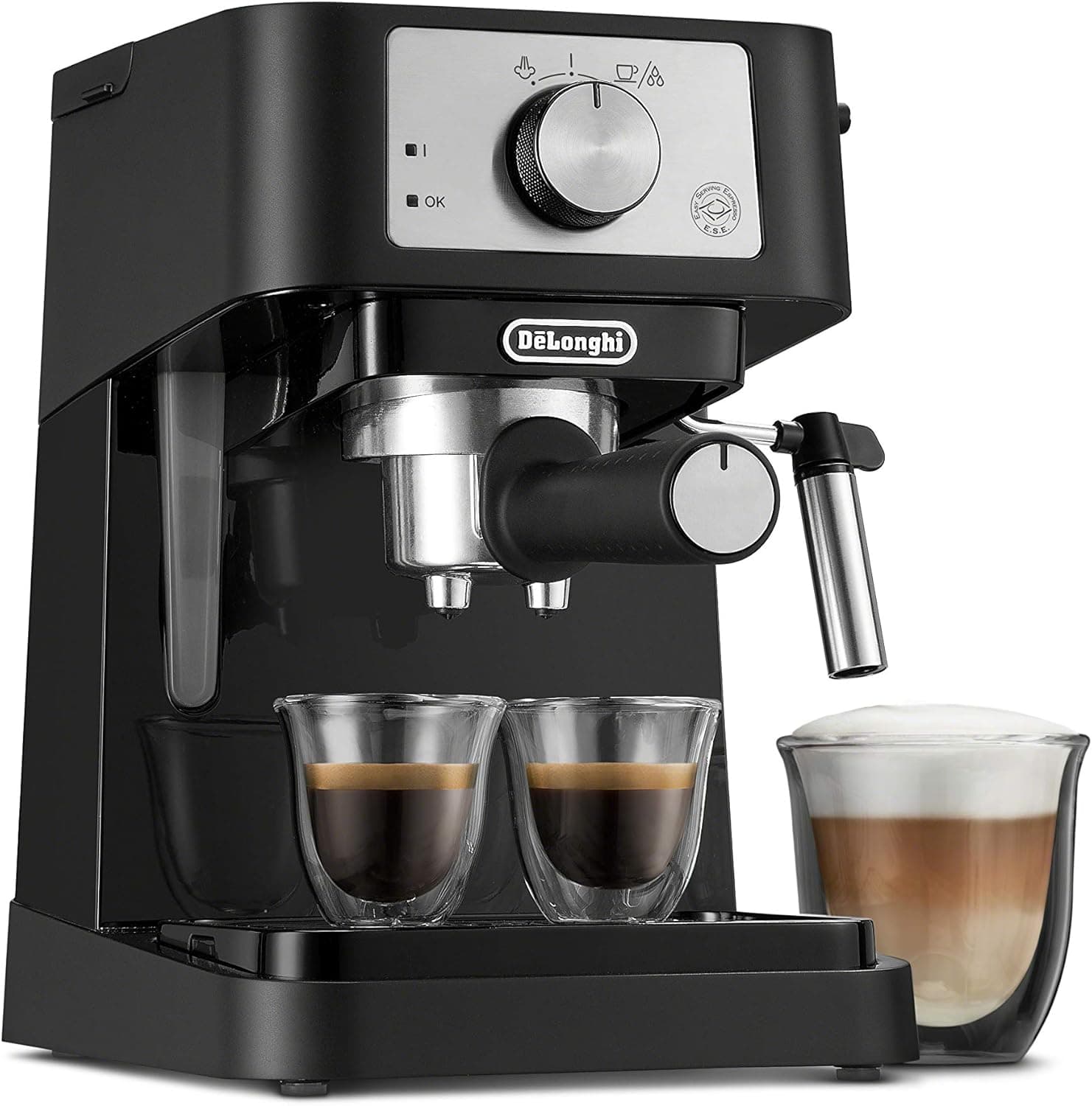
The Stilosa does something that matters at this price: it produces real espresso from a real pump through a real portafilter. That’s not guaranteed at this price. Most sub-$150 machines either use a pump-pressure simulation that doesn’t actually extract espresso correctly, or they skip the portafilter entirely in favor of a pressurized pod system. The Stilosa is neither.
The pressurized basket is the honest compromise. It creates artificial back-pressure that produces acceptable crema from beans that aren’t perfectly fresh or finely ground which is a feature if you’re testing the hobby cheaply, and a ceiling once you want to go further. An IMS non-pressurized basket upgrade is available when you’re ready. The thermoblock heats fast, and the manual steam wand is genuinely teachable, it’s the same wand type you’d learn on a much pricier machine, just at lower steam pressure.
The Stilosa needs a separate grinder. Adding one roughly doubles the spend, if that’s a problem, the Casabrews 5700 Pro includes a grinder and produces better shots. But as a lowest-risk entry to home espresso, the Stilosa is the best value I’ve found under $200.
Read my full De’Longhi Stilosa review →2. CASABREWS 5700 Pro: Best with Grinder Under $350
20 bar · Fast-Heating System · $$ · Best All-in-One Value
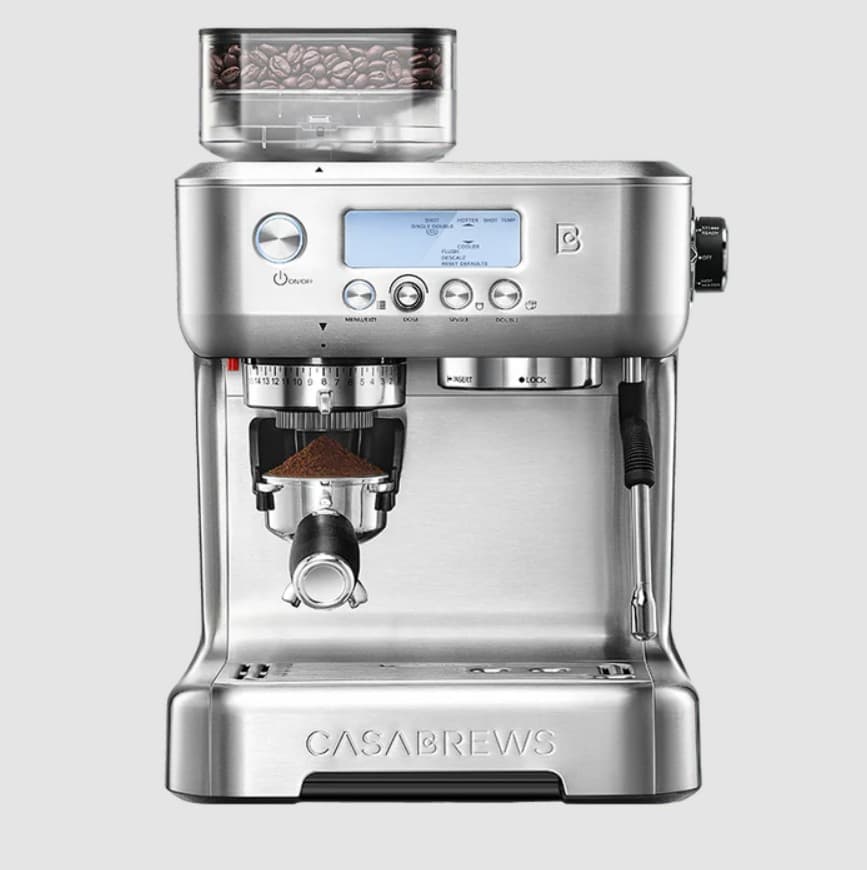
The Casabrews 5700 Pro is the strongest value argument in the all-in-one budget category. It pairs a 15-setting conical burr grinder that feeds the portafilter directly with a 20-bar pump and a fast-heating system, at a price well under what Breville charges for a similar built-in-grinder concept.
Shot quality at the right grind setting is genuinely good, according to independent reviews and owner reports: real crema, reasonable extraction times, and consistent results once the grinder is dialed in. The steam wand takes practice; it doesn’t auto-froth, and the pressure is lower than on the Breville machines, but usable microfoam is achievable once you learn the angle.
The honest limitations: build quality reflects the price, more plastic, a lighter chassis, less long-term durability than the Gaggia or Breville options. The water tank, at 91 oz, is actually larger than most machines in this class, one of the few places this machine beats pricier competitors on a pure spec. As a budget all-in-one with the grinder included, there’s nothing quite like the 5700 Pro among the more affordable options here.
Read my full Casabrews 5700 Pro review →3. Gaggia Classic Pro E24: Best Under $500
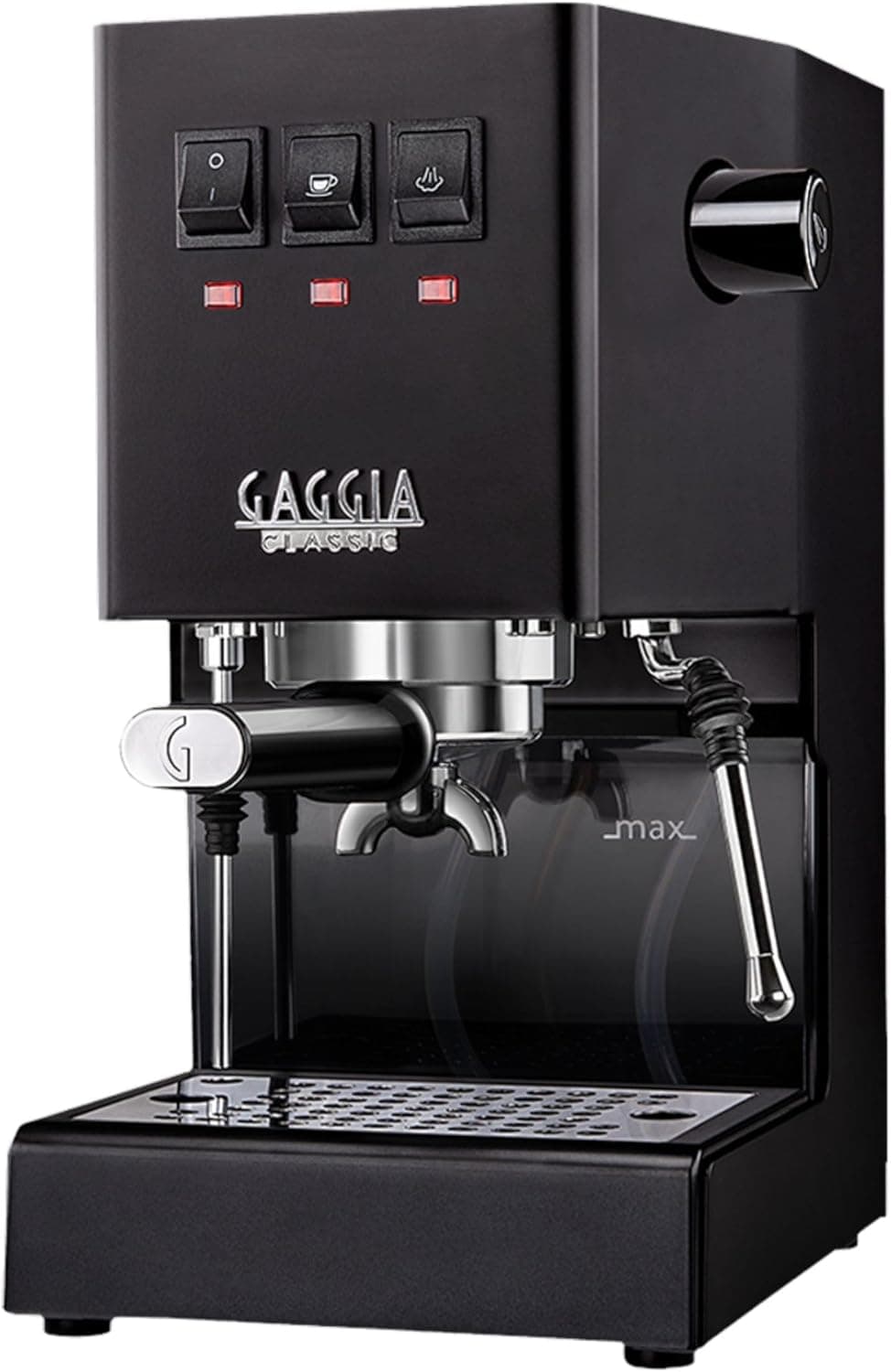
The best value argument in this entire guide isn’t a cheap machine, it’s the Gaggia Classic Pro E24, with a brass boiler that Whole Latte Love’s lab testing measured at just 3°F temperature variance during extraction. That’s the spec you’d expect from a machine costing much more. The 58mm commercial portafilter gives you the widest accessories ecosystem at any price: every tamper, basket, and distributor on the market targets this diameter.
The 3-way solenoid valve is the other feature most guides underemphasize at this price. When you stop a shot, the valve releases pressure back into the drip tray rather than leaving it against the puck. You get dry, compact pucks that knock out cleanly. Backflush cleaning works correctly. This is a pro feature that most machines at this price omit entirely.
The total cost calculation matters here. The Gaggia ships without a grinder, so budget for a separate one. And it ships without a PID, which most serious users add within the first year. Fully configured, it’s competing against machines like the Barista Express Impress, and for espresso quality and long-term durability, the Gaggia wins that comparison.
Read my full Gaggia Classic Pro E24 review →4. Breville Bambino Plus: Best Compact Value
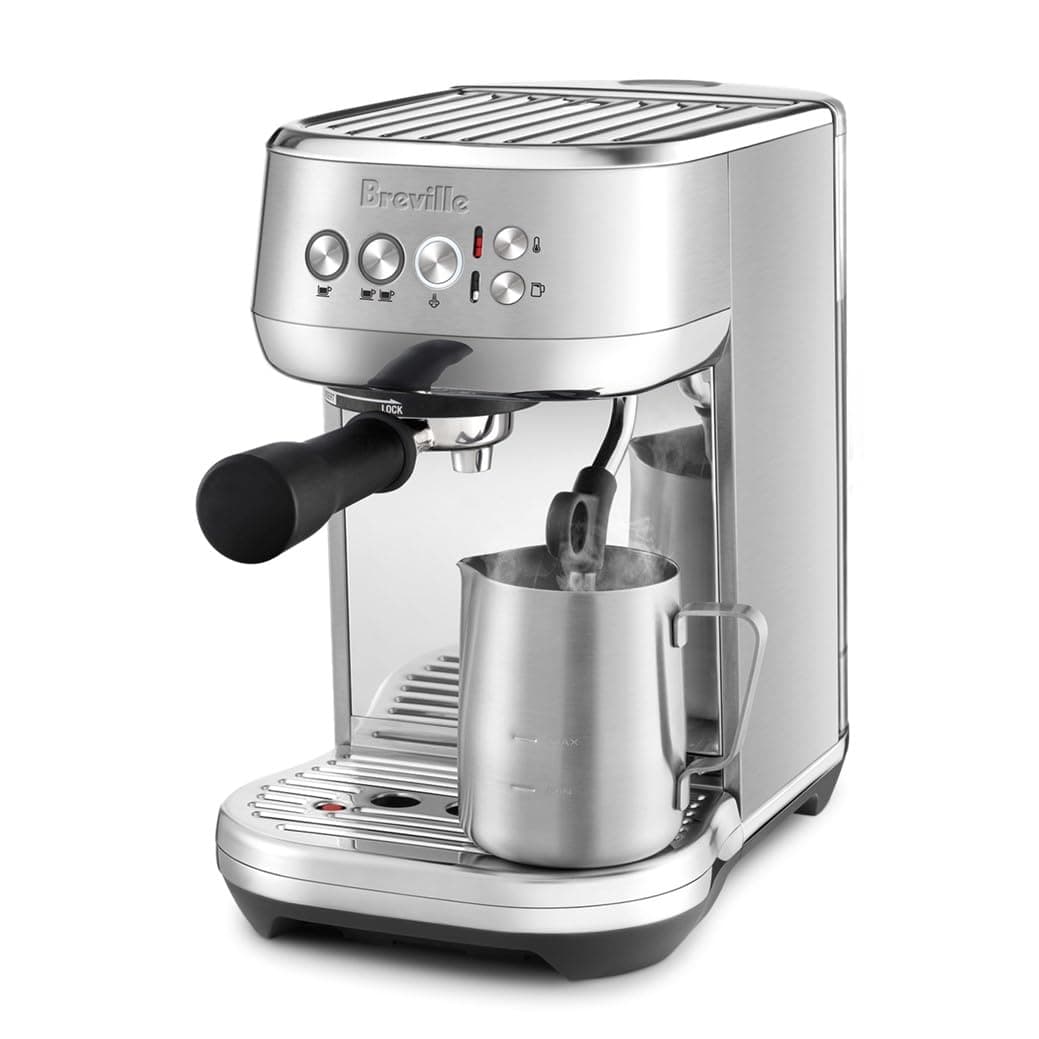
The Bambino Plus sits at the top edge of this guide’s budget ceiling, and it earns its place because of what it does that no cheaper machine does as well. Three seconds from cold to extraction-ready. A 7.7-inch footprint that fits where the Gaggia Classic Pro won’t. An automatic steam wand that produces latte-art-quality microfoam without the steep steam technique learning curve.
The ThermoJet heating system is the key differentiator over cheaper thermoblock machines: it holds extraction temperature more tightly between back-to-back shots. Low-pressure pre-infusion wets the puck before full extraction pressure kicks in, which covers minor grind inconsistencies and produces more even extractions than the Stilosa or Casabrews can match. For milk-based drinks specifically, the auto steam wand at this price is exceptional.
The grinder caveat applies: the Bambino Plus doesn’t include one. Add a separate grinder like the Baratza Encore ESP and the total climbs well past this guide’s $500 headline price. For strictly under-$500 all-in-one with a grinder, the Casabrews is the better budget pick. For compact performance where counter space is the primary constraint and you’re willing to add a grinder, the Bambino Plus is worth the stretch.
Read my full Breville Bambino Plus review →Best Espresso Machine Under $200
The De’Longhi Stilosa EC260 is my recommendation at this price point, and it’s the only machine under $200 I’d recommend without heavy qualification. Real pump, real portafilter, real workflow, not a pod approximation of espresso.
What’s genuinely possible under $200: a correct extraction at 9 bar through a standard portafilter, consistent heat-up from a thermoblock, and a manual steam wand that produces workable milk foam. The pressurized basket limits the ceiling, you won’t pull the same shot as a much pricier machine even if you dial in the grind perfectly. But for a first machine where the goal is learning the workflow and confirming the hobby is worth pursuing, the sub-$200 tier delivers that reliably.
For a full comparison of machines at this price, see my dedicated best espresso machines under $200 guide.
Best Espresso Machine Under $500
The upper part of this range is where budget espresso meets real quality. The Gaggia Classic Pro E24 produces a noticeable step up in espresso quality over machines at a lower price tier, brass boiler, 58mm portafilter, 3-way solenoid valve. It’s the machine that justifies the extra spend over the sub-$300 tier most clearly.
The Bambino Plus serves a different buyer: compact kitchen, faster workflow, milk drinks focus. Both are legitimate best-under-$500 options with different priorities. If espresso quality and long-term durability are the goal, buy the Gaggia. If footprint and ease of use matter more, buy the Bambino Plus.
Is It Worth Spending More?
Above $500, the main additions are integrated grinders with auto-dosing (the Breville Barista Express Impress), super-automatic bean-to-cup convenience (the De’Longhi Magnifica Evo), and multi-mode versatility (the Ninja Luxe Café Pro). These features are real and useful, they shorten the daily workflow and lower the learning curve.
For the best espresso quality per dollar, the Gaggia Classic Pro plus a good grinder and eventual PID outperforms most machines costing considerably more. Spending more makes sense for convenience and features, not for the espresso itself. See my full ranking of the best espresso machines of 2026 for the complete picture across all budgets.
Want a Different Angle?
This guide focuses on value under $500. If you’re coming at it from a different direction:
- New to espresso? My best espresso machines for beginners guide ranks machines by how forgiving and easy to learn they are, not just price.
- For the full ranking across all price points from $130 to $800, see the best espresso machines of 2026.
- Curious about one machine specifically? My individual reviews archive goes deeper on each model listed here, one machine at a time.
What is the best budget espresso machine under $500?
It depends on what you're willing to trade. For pure quality-per-dollar, the Gaggia Classic Pro E24 is the best espresso machine under $500, brass boiler, 58mm commercial portafilter, and a 15-year lifespan. You'll need to add a separate grinder, which pushes total spend well past the machine's own price. If you want an all-in-one under $500, the Casabrews 5700 Pro includes a 15-setting grinder and delivers genuinely good shots for the price.
Can you get good espresso from a cheap machine?
Yes, within limits. The De'Longhi Stilosa produces real espresso, a proper pump, real extraction, and a manual steam wand, at the low end of this guide's range. The catch is the pressurized basket, which hides grind inconsistency and limits how good the shot can be. The Casabrews 5700 Pro, a step up in price, uses a 15-setting burr grinder and produces consistently better results. Fresh beans ground right before extraction matter more than price at this tier, an entry-level machine with fresh specialty beans beats a pricier machine with pre-ground supermarket coffee.
What's the cheapest espresso machine worth buying?
The De'Longhi Stilosa EC260 is the floor for real espresso equipment. It has a proper pump (not a pump-pressure simulator), a real portafilter, and a manual steam wand. Below $100, you're looking at pod machines or pump-free alternatives that don't extract espresso correctly. The Stilosa is genuinely worth buying, as a first machine to test the hobby, or as a backup for a machine you already own.
Do budget espresso machines need a separate grinder?
The Stilosa and Bambino Plus do, neither includes a grinder. Budget for a Baratza Encore ESP or a Breville Smart Grinder Pro. The Casabrews 5700 Pro and Gaggia Classic Pro don't include one either, and for the Gaggia specifically, the grinder you pair with it matters more than almost any other variable. The Casabrews has a 15-setting integrated grinder that removes the need for a separate purchase. Adding a separate grinder to the Stilosa nearly doubles the budget, if that's a concern, the Casabrews all-in-one is a better total value.